
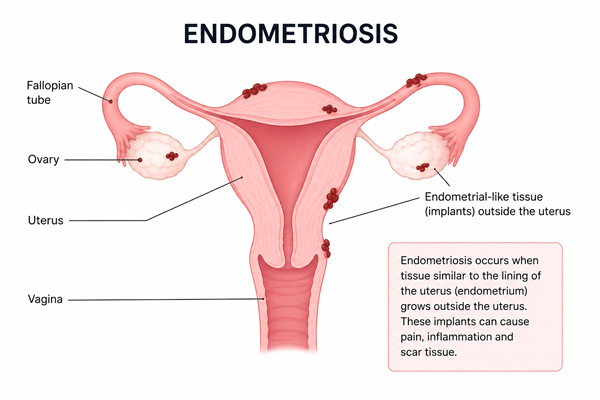
If you’re living with endometriosis, you’ll already know how much it can impact everyday life. The pain, unimaginably severe, it can affect everything from daily functioning to work life to relationships, mental health and it can lead to other chronic health problems.
What many women aren’t always told is that there are supportive ways to help manage symptoms alongside medical care. One of those is specialist physiotherapy for endometriosis.
This guide explains how physiotherapy can help with endometriosis pain relief, why it works, and what it might look like if you decided to explore support locally here in Paignton.
Why does endometriosis cause ongoing pain?
Endometriosis is often explained as tissue similar to that of the lining of the womb growing outside the womb; but that is a very simplistic description and does not even start to explain the devastation it causes to the suffers of this chronic inflammatory disease.
Over time, your body reacts to the severe pain and inflammation caused by this disease. Muscles tighten, movement patterns can change, and your nervous system becomes heightened and chronically stressed.
This can lead to ongoing severe pelvic pain, often presenting as severe pain in the lower abdomen, hips and back. Severe pain during movement or exercise, severe pain during sex or being completely unable to have vaginal intercourse due to severe pain. There is a global feeling of severe tension and pain throughout the body; it can even cause breathlessness as the diaphragm will often become tight and painful too (whether there is endo there or not).
Even when symptoms fluctuate, your body can still feel like it is holding onto that severe pain. This is where pelvic health physiotherapy can make a difference.
Can physiotherapy for endometriosis actually help?
Yes, it can help, and for many women, it becomes an important part of managing symptoms.
Physiotherapy cannot heal or ‘get rid’ of endometriosis, but it can help to manage the severe symptoms and help you to function in your daily life, work and relationships. That means working with your muscles, movement, and nervous system to reduce discomfort and improve how you feel day to day.
Many women who try physiotherapy for endometriosis find that their pain becomes less intense, movement feels more comfortable, and they begin to understand their body better. Over time, this can also help build confidence in managing symptoms more independently.
Evidence strongly demonstrates that specialist physiotherapy significantly reduces endometriosis associated pelvic pain and improves overall quality of life – Pain Medicine, Volume 27, Issue 1, January 2026 pages 95-103.
How does physiotherapy help with endometriosis pain relief?
Physiotherapy is not just about exercises. It is a combination of hands-on treatment, education, and gentle rehabilitation, all tailored to how you are feeling.
Can pelvic floor physiotherapy reduce pain?
Yes, and this is often one of the most important areas to address.
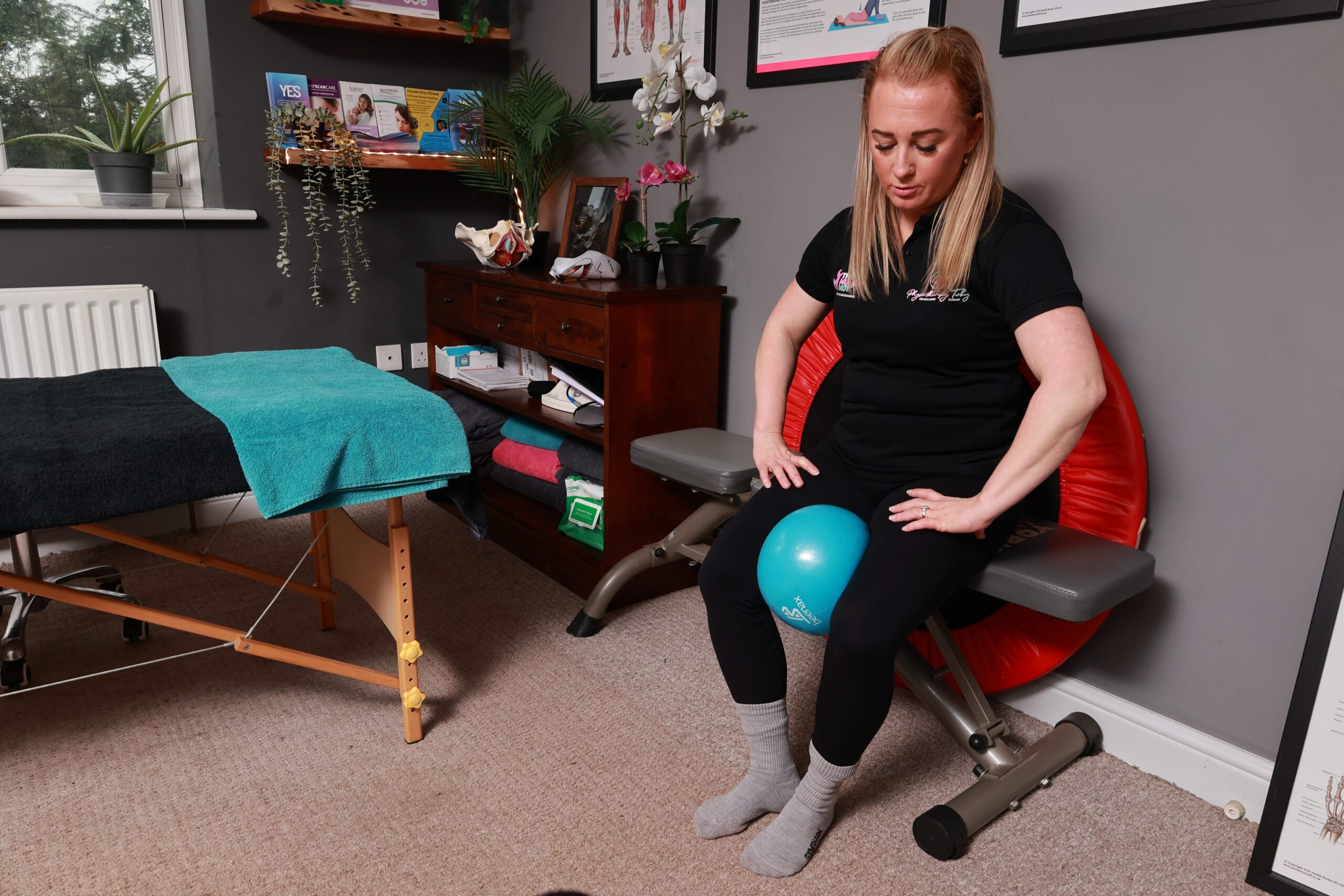
With endometriosis, the pelvic floor muscles become tight and overactive. Instead of needing strengthening, they often need to learn how to relax properly.
Sarah, a specialist women’s health physio in Paignton can guide you through techniques that help release tension, improve coordination, and reduce the severe pain linked to the muscle tightness and inflammation caused by endometriosis related pain.
How does hands-on physiotherapy help?
Hands-on treatment can support your body in letting go of built-up tension.
This may include techniques such as soft tissue release (this can be internal as well as external), myofascial work, and gentle mobilisation, all designed to improve movement and reduce severe pain.
These approaches are always adapted to your comfort level, so nothing feels overwhelming.
Can physiotherapy help with scar tissue?
Yes, especially if you have had surgery related to endometriosis.
Scar tissue and adhesions can affect how tissues move, sometimes creating a painful pulling or tight sensation. Treatment such as scar therapy focuses on improving mobility in the tissue, breaking down the adhesions, reducing restrictions and unpinning the scarring.
At Physiotherapy Torbay, this may also include the use of specialist equipment alongside hands-on techniques to support healing such as the Winback Back 3TX and the Lymphatouch device.
Does movement and exercise make a difference?
Yes, absolutely. However you may need guidance and support to find the right level of movement and exercise for you.
When you are in pain, it is natural to avoid movement. Physiotherapy helps you gradually reintroduce movement in a way that feels safe and manageable.
This often involves simple, personalised exercises, along with small adjustments to daily habits that can make a noticeable difference over time.
Can physiotherapy help you manage flare-ups?
Yes, and this is often one of the most valuable parts of treatment.
A physiotherapist can show you how to manage flare-ups more effectively, and support you in feeling more in control of your body again.
Understanding your pain can reduce the fear around it, which in itself can help ease how intense it feels.

Who is pelvic pain physiotherapy suitable for?
ANYONE WHO IS SUFFERING WITH PELVIC PAIN
You do not need to be at a specific stage to benefit from pelvic pain physiotherapy.
You do not need to have been diagnosed with endometriosis, if are experiencing ongoing pelvic pain pre or post-surgery specialist pelvic floor physiotherapy can help you.
What can you expect from an appointment?
If you have never had physiotherapy for this before, it is completely normal to feel unsure about what to expect.
At Physiotherapy Torbay, the focus is on creating a calm, supportive environment where you feel comfortable talking about your symptoms.
Your session will usually begin with a conversation about your experiences, symptoms and goals followed by a full assessment of your pelvis and abdomen. With your consent, this will include a gentle physical assessment of your pelvic floor. You will leave with a clear, personalised treatment plan that feels realistic for you.
You can find more details about this approach on the women’s health physiotherapy page.
Why choose a women’s health physio in Paignton?
When it comes to managing endometriosis, feeling understood is just as important as the treatment itself.
Working with a specialist women’s health physio means you are seeing someone who understands chronic pelvic health conditions and can tailor support specifically to you.
At Physiotherapy Torbay, care is delivered in a private, home-based clinic, with a strong focus on helping you feel comfortable, supported, and listened to.
When should you consider seeking help?
If you have suspected endometriosis or you have been diagnosed with endometriosis then you should have already been signposted to physiotherapy by either your GP or specialist but if you haven’t then refer yourself.
By the time you have reached out to a medical professional your symptoms will already be severe, you have been living with these severe symptoms possibly since you started your period.
Starting physiotherapy sooner will enable you to manage the symptoms earlier.
A more supportive way to manage endometriosis
Endometriosis is complex, chronic inflammatory disease every experience is severe and every experience is different for the individual.
Physiotherapy is not about fixing everything overnight. It is about helping you to release and relax tight, stiff and overactive muscles globally, reducing severe pain and giving you tools that make daily life feel more manageable.
If you would like to learn more about the condition, Endometriosis UK provides helpful information and support.
Ready to take the next step?
If you are looking for endometriosis treatment in Paignton that feels supportive, personalised, and focused on you, Physiotherapy Torbay is a good place to start.
Book an appointment with Physiotherapy Torbay and begin finding ways to manage your symptoms with the right support.
Email: sarah@physiotherapytorbay.co.uk
Physiotherapy Torbay, 55A Preston Down Road, Paignton, Devon, TQ3 2RL