
Diastasis Recti (Abdominal Separation) Treatment in Paignton
If you have noticed a gap or doming in your abdomen, weakness through your core, or a feeling that your body has not recovered after pregnancy, you may be experiencing diastasis recti, also known as abdominal separation.
At Physiotherapy Torbay, we provide specialist diastasis recti treatment in Paignton, helping you safely rebuild strength, improve function, and regain confidence in how your body feels and moves.
Led by Sarah, a physiotherapist with over 10 years of experience in women’s health, you will receive personalised, one-to-one care in a calm and private clinic setting.
Why choose Physiotherapy Torbay:
⦁ Specialist women’s health physiotherapy
⦁ Experienced in postnatal recovery and abdominal rehabilitation
⦁ Private clinic based in Preston, Paignton
⦁ One-to-one appointments with the same practitioner
⦁ Focus on long-term recovery, not quick fixes
⦁ Trusted by local clients/ patients across Torbay
⦁ Support tailored to your body and stage of recovery
“I was on the NHS waiting list for months and came across sarah. I’m so glad I did as 2 sessions and I’m not in pain anymore! Had treatment there and then and had significantly improved after my first visit! Would highly recommend!” – Anonymous Google Review
Start your recovery today
Call: 07700 100312
Email: sarah@physiotherapytorbay.co.uk

What Is Diastasis Recti
Diastasis recti is a separation of the abdominal muscles that commonly occurs during pregnancy. As your baby grows, the connective tissue (fascia) between the muscles stretches, creating a gap, sometimes this gap does not return to its pre pregnancy position. Although common in pregnancy is not the only cause of diastasis recti, it can occur for a number of reasons including in men. At physiotherapy Torbay we treat all diastasis recti, whatever the cause.
This can result in:
⦁ A visible doming or bulging in the abdomen
⦁ A ‘squishy’ midline
⦁ The ‘Pooch’ – An abdominal bulge that remains even after returning to your pre pregnancy weight
⦁ A feeling of weakness through the core
⦁ Difficulty engaging abdominal muscles
⦁ Pelvic floor issues
⦁ Digestive bloating
⦁ Lower back discomfort / pain
⦁ Poor posture
⦁ Reduced stability during movement
While it is common, it is not something you have to ignore or manage alone.
You can explore how this fits into wider care on our women’s health physiotherapy page.
Why Abdominal Separation Matters
All women will experience abdominal separation when they are pregnant as baby will grow; most abdominal separation will come back together on its own within around 12 weeks postpartum. However, in some cases it does not. Without the right support, it can persist and affect how your body functions.
Untreated diastasis recti may contribute to:
⦁ Ongoing core weakness
⦁ Back or pelvic pain
⦁ Reduced confidence with exercise
⦁ Digestive bloating
⦁ Increased strain on the pelvic floor / pelvic floor under/ overactivity which may cause continence problems
Recovery is not just about closing the gap. It is about restoring strength, coordination, managing pressure and control across your whole core.
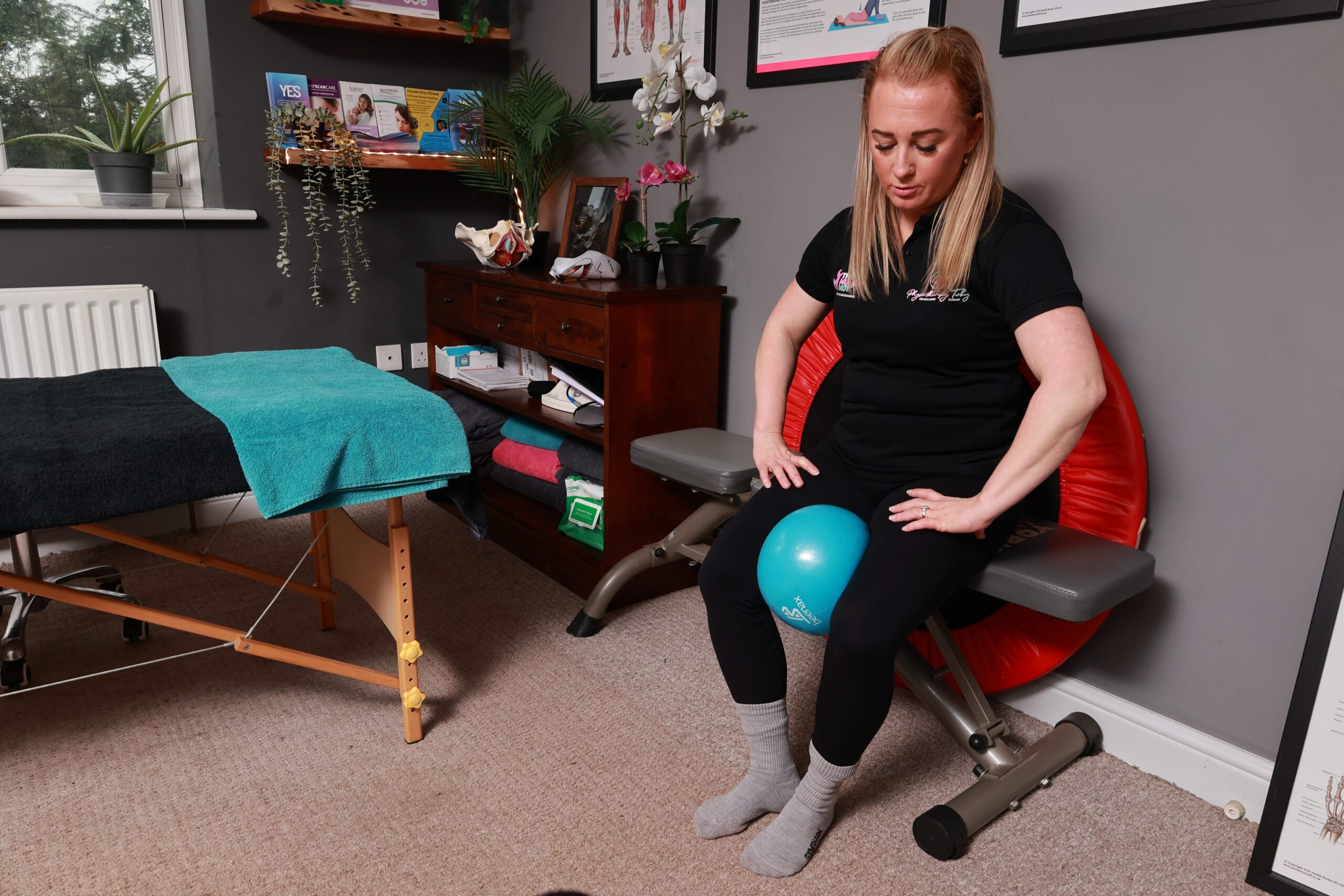

Signs You May Have Diastasis Recti
You may benefit from assessment if you notice:
⦁ A ‘squishy’ midline – a gap or lack of tension when you press in along the midline of your stomach
⦁ Doming or bulging with intra-abdominal pressure – sitting up, getting out of bed or lifting
⦁ Difficulty activating your core muscles
⦁ A feeling of instability during movement
⦁ Lower back and or pelvic pain that has developed after pregnancy
⦁ Pelvic floor problems
⦁ Abdominal bloating
If you are unsure, a professional assessment can provide clarity and reassurance.
How Diastasis Recti Treatment Helps
Treatment focuses on improving how your core functions, managing pressures and how to relax the abdominal muscles, not just how to engage them rather than trying to force the muscles back together.
Benefits may include:
⦁ Improved core strength and control
⦁ Reduced bloating
⦁ Reduced back and pelvic pain
⦁ Increased confidence with movement and exercise
⦁ Improved support and function of the pelvic floor
This approach supports long-term recovery and helps prevent further issues.
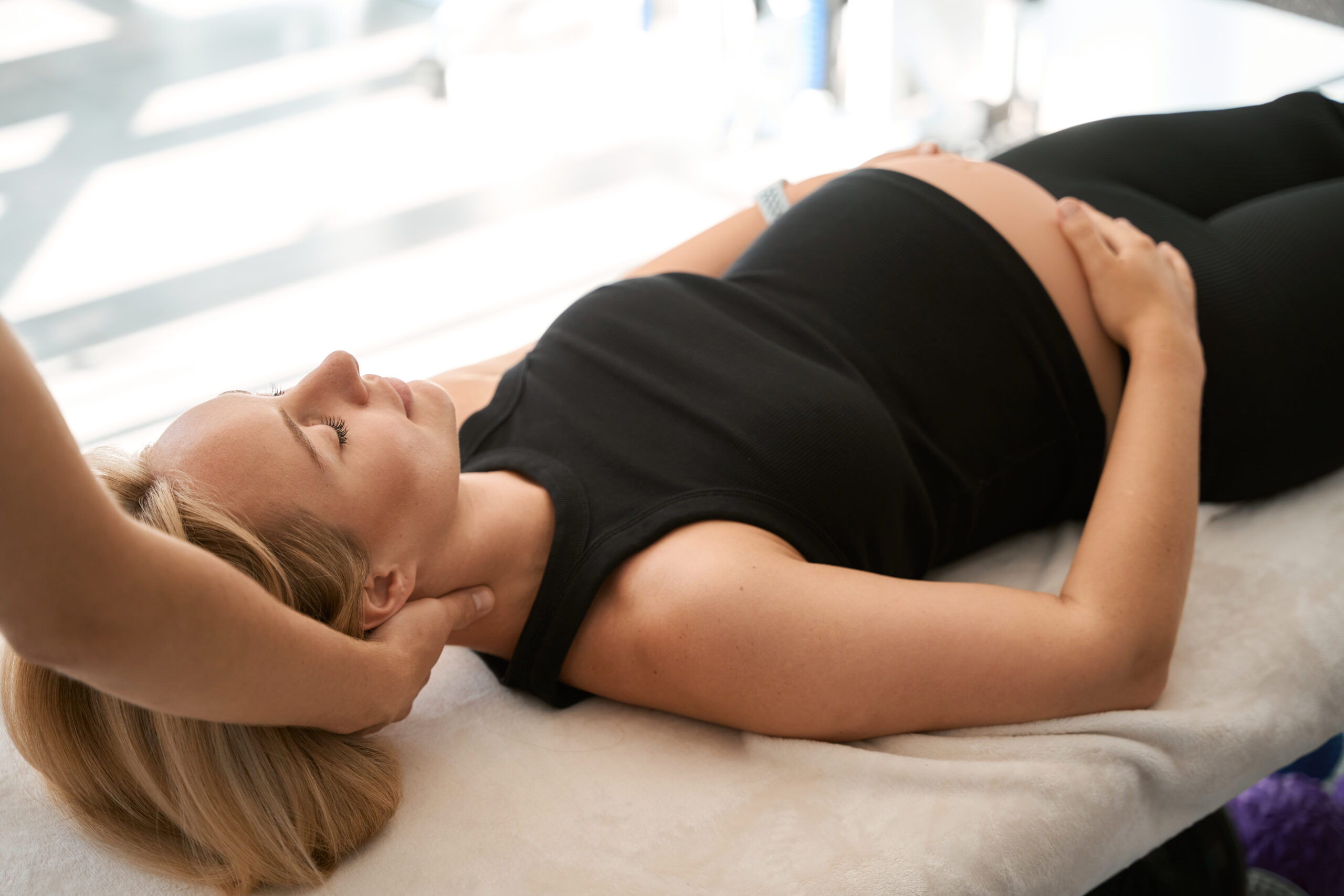
What to Expect at Your Appointment
Your first session is designed to fully understand your body and your recovery.
Assessment includes:
⦁ Discussion of your pregnancy and postnatal recovery
⦁ Assessment of abdominal separation and tension on the linea alba (the fascia between the muscles)
⦁ Evaluation of core strength and coordination
⦁ Posture and movement analysis
⦁ Pelvic floor screening where appropriate – to include this you will need a slightly longer appointment; this can be discussed on booking
Treatment may include:
⦁ Guided core rehabilitation exercises
⦁ Breathing and pressure management techniques
⦁ Movement retraining
⦁ Electrotherapy – Winback Back 3 TX and the lymphatouch device
⦁ Progressive exercise planning
All treatment is tailored to your stage of recovery and personal goals.
You can learn more about Sarah’s background on our about page.
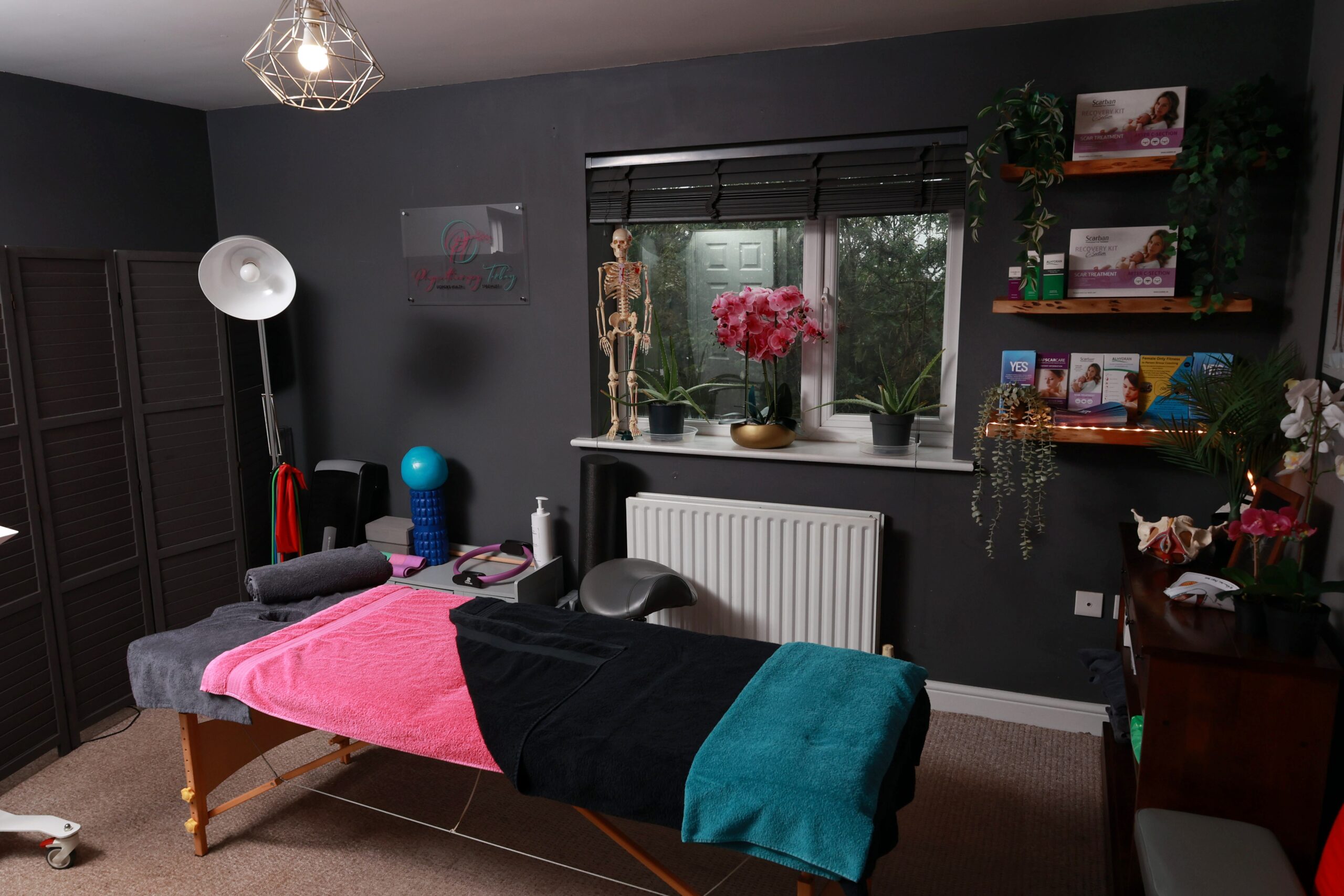
When Should You Seek Treatment
You can seek support at any stage after pregnancy.
It is often helpful:
⦁ From at least 6 weeks postnatal onwards
⦁ When returning to exercise
⦁ If symptoms are not improving
⦁ If you feel unsure about your recovery
It is also important to know:
⦁ It is never too late to start
⦁ Even long-standing separation can improve with the right approach
For general postnatal recovery guidance, please send me an email and I can send you some general postnatal information.
Why Generic Core Exercises Are Not Enough
Many online programmes focus on basic abdominal exercises, but these are not always appropriate for diastasis recti.
Effective rehabilitation includes:
⦁ Correct breathing patterns
⦁ Managing internal pressure
⦁ Coordinating core and pelvic floor muscles
⦁ Gradual strength progression
Without proper guidance, some exercises may be inappropriate depending on your stage of recovery.
This is where specialist support makes a significant difference.
.
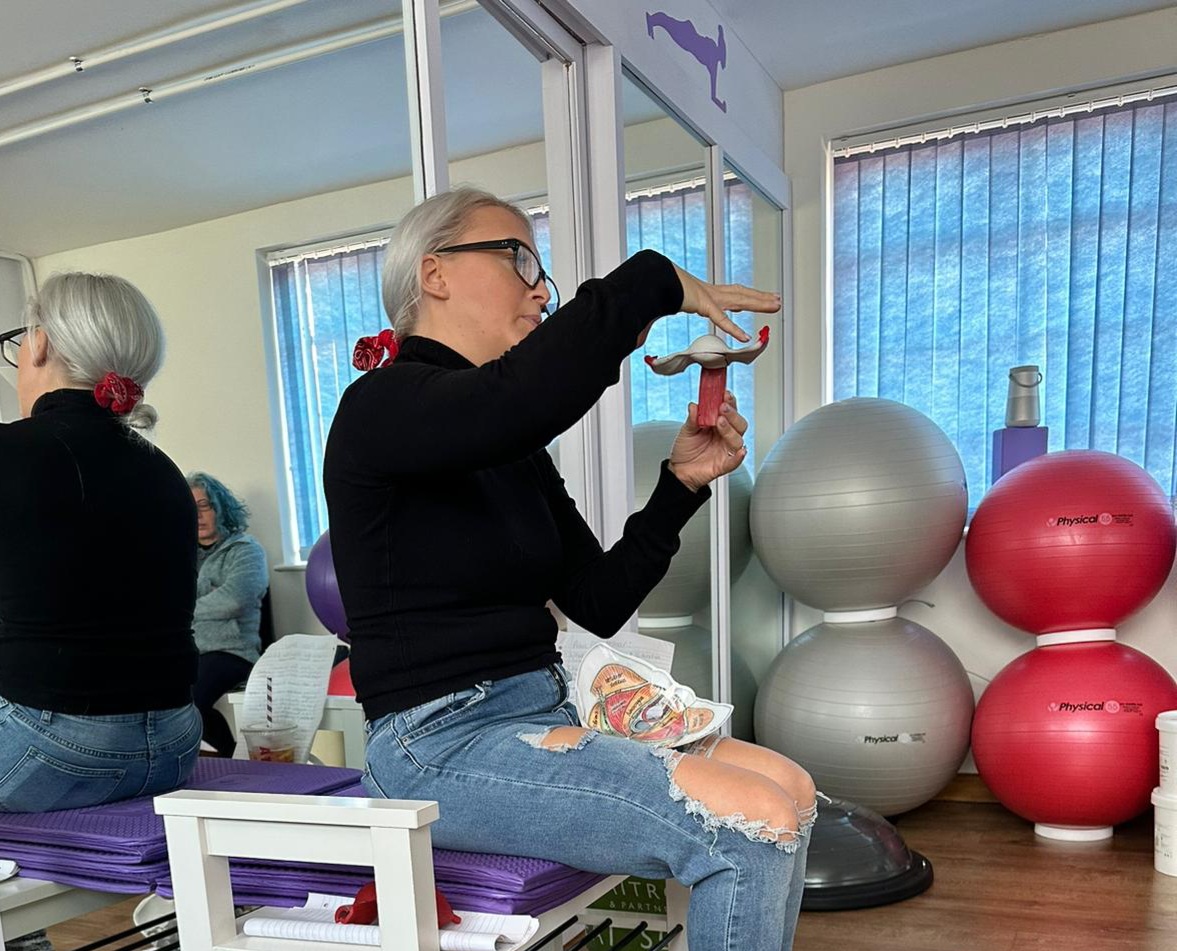
Visit Our Clinic in Paignton for Diastasis Recti Treatment
Physiotherapy Torbay is based in Preston, Paignton, offering a private and supportive environment for postnatal recovery and other causes of diastasis recti.
All appointments take place at:
Physiotherapy Torbay
55A Preston Down Road
Paignton, Devon
TQ3 2RL
The clinic provides a quiet, one-to-one setting where you can feel comfortable discussing your symptoms and focusing on your recovery.
You can read feedback from other patients on our reviews page.
Frequently Asked Questions
Can diastasis recti heal on its own
All pregnant women will experience abdominal separation and many will come back together within 12 weeks postpartum. However, if the separation is particularly severe or has not resolved within 12 weeks postpartum then specialist guidance may be necessary to rehabilitate the diastasis recti. There are a lot of factors which will determine whether your diastasis will need specialist rehabilitation – twins, triplets and other multiple pregnancies, pregnancies close together, how you heal personally, your genetics, your current health, the size of your baby etc all play a part.
Is it safe to exercise with abdominal separation
Yes, but the type and intensity of exercise should be appropriate for your stage of recovery.
Will my stomach go back to normal
With the right support, strength, function and the look can improve significantly, although every recovery is different.
How long does recovery take
This varies depending on the severity and individual factors, but consistent rehabilitation leads to gradual improvement.
For more answers, visit our frequently asked questions.
Book Your Diastasis Recti Assessment in Paignton
If you are struggling with core weakness, abdominal separation, or a lack of confidence in your body after pregnancy, support is available.
At Physiotherapy Torbay, you will receive expert, personalised care focused on helping you move better and feel stronger.
Book your appointment today via our contact page, call 07700 100312, or email sarah@physiotherapytorbay.co.uk
Take the next step towards rebuilding your strength with specialist diastasis recti treatment in Paignton.